


Your Manuscript Needs More Than Spellcheck

Spellcheck can catch basic spelling mistakes, but it cannot fully edit a manuscript. It often misses issues involving clarity, tone, sentence flow, consistency, context, and readability. Professional editing addresses the deeper problems that automated tools cannot reliably detect.
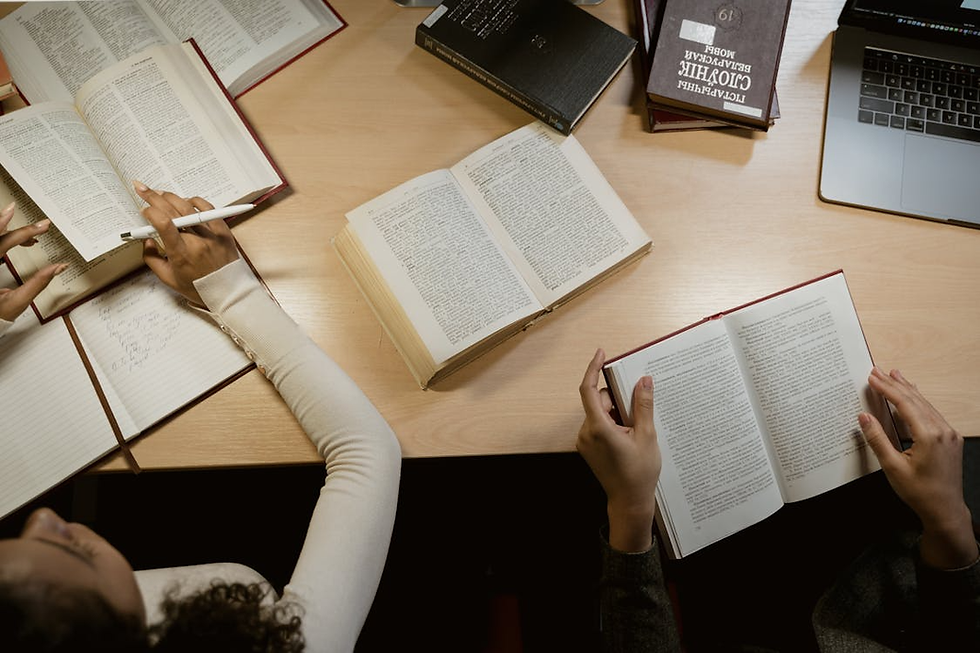
Why Spellcheck Is Not Enough for Book Editing
Many writers assume that running a manuscript through spellcheck means the book is “clean enough.”
But editing and spellchecking are not the same thing. Spellcheck is a tool. Editing is a judgment-based process.
A manuscript can pass spellcheck and still contain:
awkward sentences
confusing phrasing
repetitive wording
pacing drag
inconsistent formatting
incorrect word choices
dialogue issues
readability problems
That is why professionally edited books feel different even when obvious typos are minimal.
What Spellcheck Actually Does
Spellcheck is designed to identify:
misspelled words
some punctuation issues
basic grammar patterns
It works well for surface-level detection. But it does not truly understand:
storytelling
rhythm
nuance
context
tone
reader experience
A sentence can be grammatically correct and still feel unnatural or difficult to read.
What Spellcheck Cannot Reliably Catch
Incorrect Words Used Correctly
Spellcheck often misses errors like:
“their” instead of “there”
“quiet” instead of “quite”
“form” instead of “from”
Because the words are technically spelled correctly, the software may not flag them. Readers, however, notice immediately.
Awkward or Clunky Sentences
Example:
She quickly ran hurriedly toward the very dark hallway.
Spellcheck may not recognize that:
the sentence is repetitive
the modifiers weaken the prose
the rhythm feels awkward
An editor would.
Inconsistent Writing
A manuscript may alternate between:
US and UK spelling
different capitalization styles
changing terminology
inconsistent character details
Spellcheck does not manage full-manuscript consistency well.
Editors do.
Repetition
Writers naturally repeat:
sentence structures
filler words
dialogue patterns
descriptive habits
Automated tools rarely catch repetition at the manuscript level.
Tone Problems
A sentence can technically function while still sounding:
unnatural
stiff
too formal
emotionally flat
unintentionally repetitive
Editors evaluate how writing actually lands with the reader.
Readability Issues
Spellcheck cannot tell if:
paragraphs drag
transitions feel abrupt
dialogue sounds unnatural
prose lacks flow
pacing weakens immersion
These are reader experience problems, not dictionary problems.
Why Writers Still Miss Errors After Spellcheck
Writers become familiar with their own sentences over time.
Instead of reading what is physically on the page, the brain often reads:
intention
memory
expectation
This makes self-detection harder, especially after multiple revisions.
That is why outside editing matters even for experienced writers.
Can AI or Grammar Software Replace Editors?
Grammar tools can help with:
first-pass cleanup
obvious corrections
quick drafting support
But they still struggle with:
nuance
context
style consistency
emotional rhythm
voice preservation
readability judgment
Software can identify patterns. Editors evaluate communication.
What Professional Editing Adds Beyond Spellcheck
Line Editing
Improves:
sentence flow
rhythm
clarity
readability
transitions
prose strength
Copyediting
Corrects:
grammar
punctuation
spelling
consistency
formatting
usage issues
Proofreading
Catches:
final typos
spacing problems
formatting slips
lingering errors before publication
Together, these stages create a manuscript that feels polished, professional, and easier to trust.
Why Readers Notice Poor Editing Quickly
Readers may not consciously identify every technical problem, but they feel when something is off.
Poor editing can create:
slower reading experience
broken immersion
confusion
frustration
reduced trust in the writing
Even strong stories can lose momentum when the prose becomes distracting.
Is Spellcheck Still Useful?
Yes. Spellcheck is helpful as an early support tool.
Writers should absolutely use:
● spellcheck
● grammar software
● revision tools
But these tools work best as assistance, not as a replacement for editing.
In Conclusion
Spellcheck is useful for catching surface-level errors, but it cannot fully evaluate how a manuscript reads, flows, or communicates.
Professional editing goes beyond correctness. It improves clarity, consistency, readability, and overall reader experience.
A manuscript can pass spellcheck and still not be publication-ready.
Want a Professional Edit Beyond Spellcheck?
At The Manuscript Editor, we help writers refine manuscripts beyond automated corrections through:
Line editing for stronger prose and readability
Copyediting for grammar, consistency, and clarity
Proofreading for final pre-publication polish
Not sure what your manuscript needs? We also offer a FREE 800-word sample edit so you can see our editing approach firsthand and evaluate whether we’re the right fit for your book.
Contact The Manuscript Editor or visit us at www.themanuscripteditor.com/author-contact-us today to claim your free sample edit and strengthen your manuscript beyond what spellcheck can do.



tỷ lệ kèo bóng đá dạo này thấy mọi người bàn nhiều quá nên mình cũng ghé thử một trang tổng hợp đánh giá nhà cái xem sao. Mình không đọc kỹ từng bài đâu, chỉ lướt vài phút thôi mà thấy giao diện khá thoáng, kiểu chia khối nội dung nên nhìn không rối. Ở đầu trang có đoạn “Chào Mừng Đến Website Của Chúng Tôi” viết ngắn gọn về việc họ tổng hợp đánh giá nhà cái uy tín và cập nhật thường xuyên, đọc lướt vẫn nắm được ý. Mình cũng để ý phần Featured Sections họ làm dạng thẻ, mỗi thẻ có thông tin bonus kèm nút “Review Visit” nhìn khá dễ bấm, kéo xuống là…