


Why Editing Is Important Before You Publish Your Book

Editing is important because even strong ideas can lose impact when the writing is unclear, inconsistent, or difficult to follow.

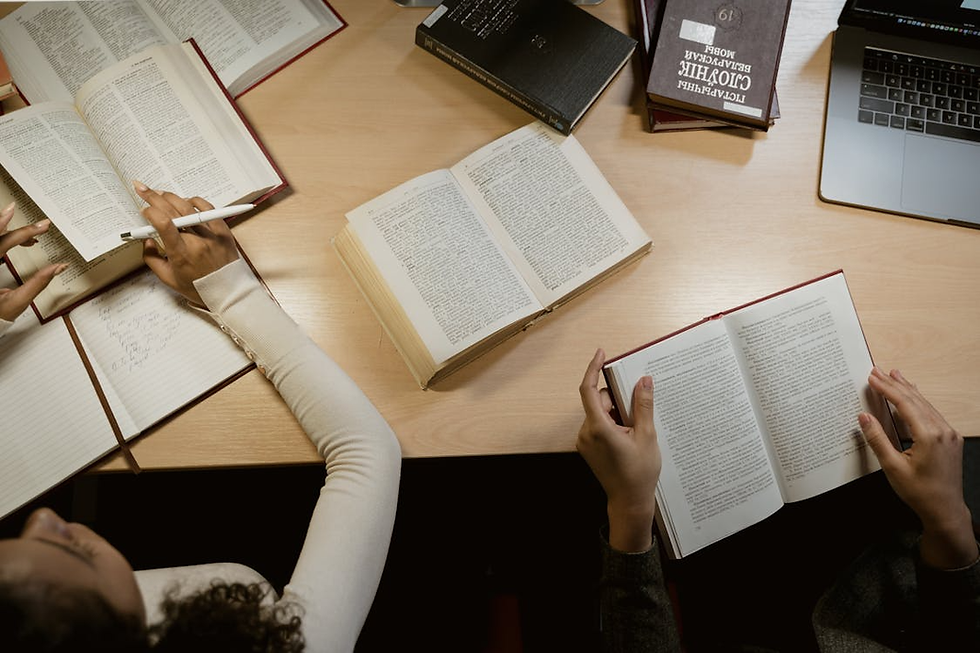
Photo by JIUN-JE LIN
Why Is Editing Important for a Manuscript?
Finishing a manuscript is a major milestone. But typing “The End” does not automatically mean the book is ready for readers.
Most drafts still contain issues such as:
● Repetition
● Awkward sentence flow
● Grammar and punctuation mistakes
● Inconsistent spelling or formatting
● Unclear transitions
● Pacing problems
● Typos the writer no longer notices
This is normal. Writers become deeply familiar with their own work, which makes it harder to spot what a fresh reader will immediately notice.
Editing closes the gap between what the writer intended and what the reader experiences.
What Happens If You Skip Editing?
Many books are abandoned early by readers not because the concept is weak, but because the reading experience feels harder than it should.
Without editing, readers may encounter:
Confusing Sentences
A sentence can be technically correct and still feel clumsy or unclear.
Distracting Errors
Typos, punctuation mistakes, and grammar slips can pull readers out of the story.
Uneven Flow
Some chapters move smoothly, while others drag or feel abrupt.
Inconsistency
Character names, timelines, capitalization, or formatting may shift throughout the manuscript.
Reduced Credibility
Readers often assume visible errors reflect carelessness, even when the story itself is strong.
Why Writers Miss Their Own Errors
After multiple drafts, writers often begin to read what they meant to say rather than what is actually on the page.
A professional editor brings:
● Fresh eyes
● Objective perspective
● Technical skill
● Reader awareness
● Consistency checks
● Polishing discipline
Even experienced writers benefit from editorial review.
Different Types of Editing and Why They Matter
Line Editing
Line editing improves how the writing sounds and flows sentence by sentence.
It focuses on:
● Rhythm
● Clarity
● Tone
● Repetition
● Word choice
● Smooth transitions
Best for manuscripts that need stronger prose without losing the author’s voice.
Copyediting
Copyediting focuses on technical correctness and consistency.
It covers:
● Grammar
● Punctuation
● Spelling
● Usage
● Formatting consistency
● Style decisions
Best for writers who want a clean, professional manuscript.
Proofreading
Proofreading is the final polish before publication or submission.
It catches:
● Remaining typos
● Minor punctuation errors
● Formatting slips
● Surface inconsistencies
Best used after revisions are complete.
Is Self-Editing Enough?
Self-editing is valuable and necessary, but it has limits. Writers know their characters, scenes, and intentions too well. That familiarity can hide problems that new readers will notice immediately.
Think of self-editing as the first pass. Professional editing is the quality-control stage.
Signs Your Book Needs Editing
You likely need editing if:
● You’ve revised the manuscript several times but still feel uncertain
● Beta readers mention confusion or pacing issues
● You know the story is strong, but the writing feels uneven
● You plan to self-publish and want a professional standard
● You’re querying agents or publishers
● You want readers to focus on the story, not the mistakes
Editing is an Investment
Writers sometimes view editing as optional. In reality, it is one of the most important parts of publishing.
A polished manuscript can lead to:
● Better reader reviews
● Stronger word of mouth
● Higher completion rates
● More professional submissions
● Greater confidence when publishing
You spent time writing the book. Editing helps that effort show on the page.
Readers may never compliment punctuation or sentence flow directly. But they absolutely notice when a book feels smooth, clear, immersive, and professional.
That experience is often built in editing.
Ready to Strengthen Your Manuscript?
At The Manuscript Editor, we help writers prepare their books for real readers through thoughtful, professional editing.
Our services include:
● Line Editing for stronger flow, rhythm, and readability
● Copyediting for grammar, consistency, and clean prose
● Proofreading for the final polish before publication
Contact The Manuscript Editor today to discuss your manuscript and find the right editing service for your next step at themanuscripteditor.com/author


Comments