


Strategic Paragraphing for Tension and Pacing

Let’s be real. You know that feeling when you open someone’s message, and it’s just… a block. No breaks. No breathing room. We don’t want to read that. So we close the app.

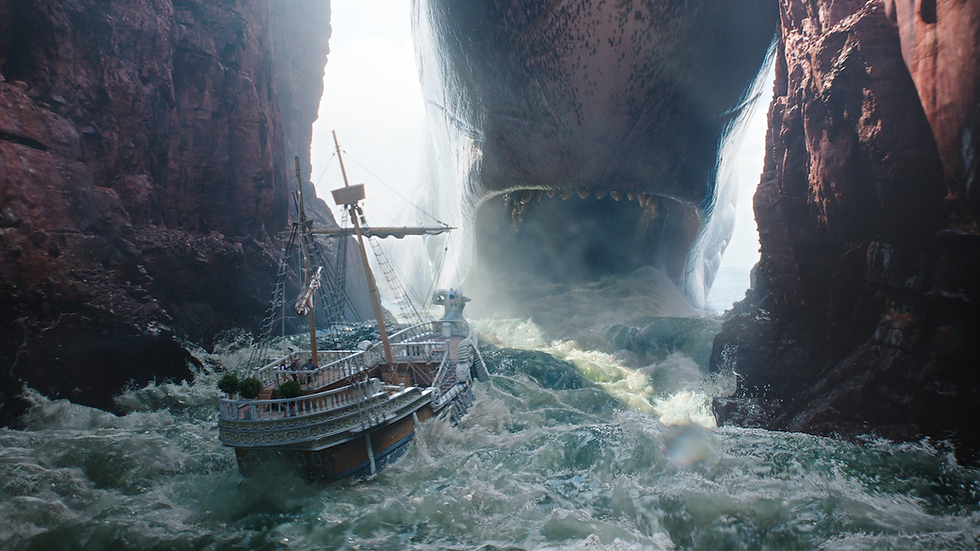
Photo by Lisa
The Wall of Text Is an Immediate Swipe Left
That’s exactly what happens when a reader cracks open your book and sees a page with zero paragraph breaks. It’s giving “terms and conditions.” It’s giving “I will not be reading this, thank you.”
Here’s the thing most writing advice skips over: pacing is about how your words physically sit on the page. Paragraph breaks are the secret architecture of narrative tension, and once you learn to use them strategically, you’ll have your reader’s nervous system on a leash.
Stephen King once said, “Write with the door closed, rewrite with the door open.” Part of that rewrite? Looking at the shape of your prose.
The Anatomy of a Break: Short Paragraphs vs. Long Paragraphs
Short Paragraphs Speed Up the Pulse
Take for example a horror movie. The music gets faster, the cuts get quicker, and everything tightens, right? Short paragraphs do the same thing on a page. They create white space. Each break is a tiny jolt—a heartbeat. When you’re writing a chase scene, a confrontation, or that moment your main character finally reads the text message, short paragraphs are your best friend.
Picture this:
She picked up the phone.
Three dots appeared.
Then disappeared.
Then appeared again.
The message came through.
I know what you did.
That pacing is immaculate to our ears. Every line break is a breath. That’s narrative tension living rent-free in someone’s head.
Long Paragraphs Create the Fever Dream
Now flip the script. Long, unbroken paragraphs slow the reader down. They create a dreamlike, immersive quality. Toni Morrison was a master of this. Her prose would sometimes unspool in long, rolling waves that pulled you under and held you there.
This is your tool for introspection, for world-building, and for those “lying in bed at 2:00 a.m. spiraling” moments. When a character is processing grief, falling in love, or losing their mind, a longer paragraph mirrors that unbroken stream of consciousness.
The key here is undivided intention. A long paragraph should feel like a choice and should be intentional in your writing.
The One-Sentence Paragraph
Chuck Palahniuk talks about “burnt tongues,” language that shocks the reader awake. The one-sentence paragraph is exactly that.
It stops everything. Just like that.
See what that just did? After a flow of longer text, a single short line hits different. It carries main character energy and demands attention. It’s the dramatic pause before the chorus drops.
Use it for reveals, for emotional gut punches, and for the line you want tattooed on someone’s brain. But here’s the rule: If every paragraph is one sentence, none of them are special. Restraint is what makes this technique powerful.
Actionable Tips: Read Your Page Like a Musical Score
Ready to put this into practice? Here’s how to start thinking about paragraph breaks as storytelling tips you can actually use:
Squint at your page. Literally. Blur your eyes and look at the shape of the text. Do you see variations? A page that’s all the same density is monotone; it’s the prose equivalent of someone talking in one pitch for twenty minutes.
Match the rhythm to the moment. High tension gets short, punchy breaks. Reflection and atmosphere get longer, flowing paragraphs. A first-date scene might alternate between both as the character swings between excitement and overthinking.
Read it out loud. We always say this, over and over. Wherever you naturally pause or gasp, that’s where a break might belong. Your lungs already know the pacing your reader needs.
Use the “scroll test.” Pull up your draft on your phone. If you have to scroll through a paragraph without a single break, that’s a (major) red flag for most modern readers.
Your page is a living, breathing score. And we want it to be the best it can be! The paragraph breaks are the rests between the notes. Get them right, and your reader won’t just read your story.
They’ll feel it.
If you’ve finished your manuscript and an editor to check, we’re here to help. Send your manuscript to themanuscripteditor.com for a complimentary 800-word sample edit today.


Comments