


5 Children’s Lit Myths: What Are the Do’s and Don’ts in Writing for Children?

Do you think writing for children is easy-peasy? Plot twist: While anyone can be a writer, books and stories for children require certain expertise for them to be effective. In this blog, we debunk the common misconceptions about kid literature and explore some tips so that you can be a good kid-lit author in the future.
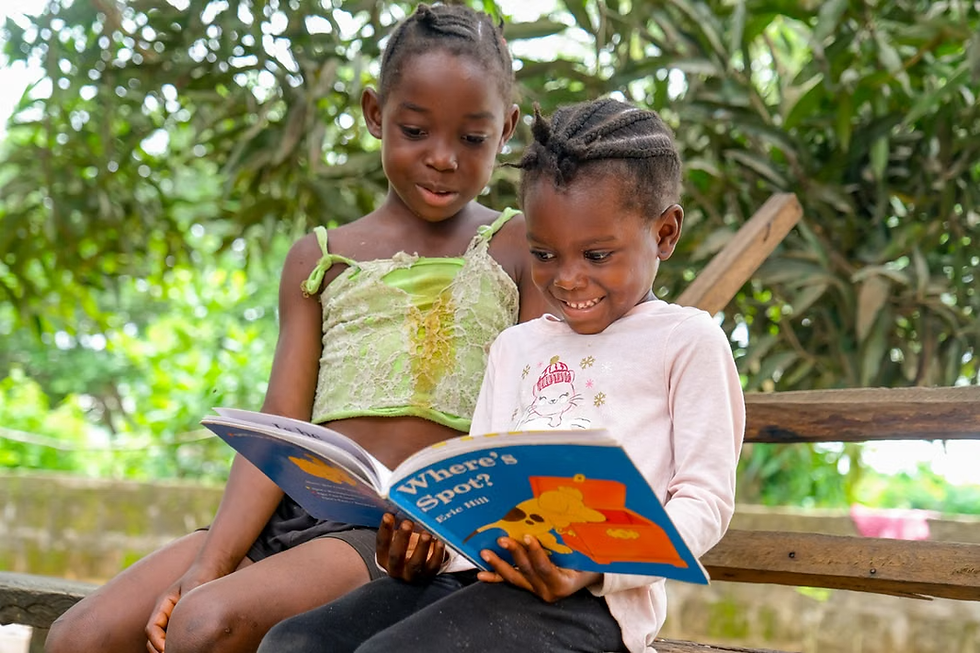
Photo by B. Aristotlè Guweh Jr
Is writing for children easier than writing for adults?
Books for children are fun to read, and because they’re often short and straightforward, people often think that they’re easy to write. The truth is, writing for any type of audience has its own fair share of challenges. Just because children’s literature is often shorter, that doesn’t mean that they are easier.
There are guidelines that need to be followed. Authors for children must know some age-appropriate content, have some knowledge about developmental or child psychology, and discern the right approach to storytelling to make it more engaging for children. These requirements are not easy to acquire by just making stories out of sheer creativity. A starting point? Get around kids to know their quirks, how they talk, what they think, and how they process things. That being said, writing for kids might even be more challenging than writing for adults.
Do rhymes always make a good story?
The answer is no. They’re not a requirement for effective storytelling for kids. Here are the reasons why you should avoid using rhymes, especially if you’re new to writing for kids:
Rhyming books are hard to translate into other languages.
Awkward rhymes turn off potential readers and publishers.
Emphasis on rhymes will compromise the content of the story.
Should children's stories always teach morals explicitly?
It’s not always the case. Avoid being preachy. Instead, let the kids unpack what they can learn from your story without directly feeding them anything. More often than not, it’s best to just be subtle with the lesson you are trying to convey. It helps kids synthesize their learning and develop their critical thinking skills. Also, be aware of the ideas your story tries to impart, explicitly or implicitly.
Should adults in the story always solve the conflicts?
Not really. Writing for children means empowering them. So let the kids in the story do the solving. Write from a kid’s perspective, not adults. Let your Moana restore the tribe, your Lucy Pevensie shine, and your Matilda Wormwood save the day.
Is it okay to talk down to children in the story?
That’s a really big no. Kids should be treated as intelligent people. Just because they are kids doesn’t mean they can’t think for themselves. They can sense overly explained plots and lose their interest.
For the ultimate tips: Write stories that allow kids to see and understand the real world. But balance your story with playfulness, hope amid the darkness, and redemption at the end. Make your story simple and easy to digest for kids. Make it age-appropriate. And when writing for picture books, avoid overly descriptive words. Let the illustrations shine and complement the story. Give the illustrator room to play with their imagination.
Do you have a draft story for children? You may send it to us for review and editing. You can claim our 800-word sample edit when you submit your manuscript now. Meanwhile, happy writing!


Comments